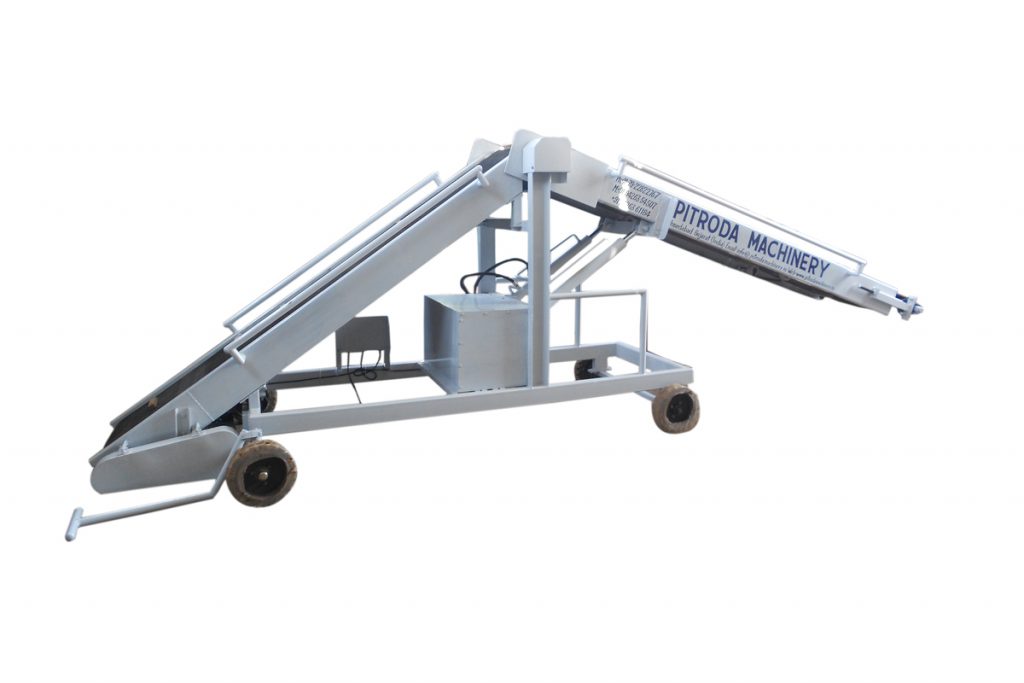
Mobile vs Fixed Vehicle Loading Conveyors: A Detailed Comparison
Efficient material handling is a critical factor in warehouse and logistics operations, where timely loading and unloading of goods directly impact productivity and operational costs. Vehicle loading conveyors are widely used to streamline these processes, providing a faster, safer, and more reliable method for transferring goods from storage areas to transport vehicles. Among the different types available, mobile and fixed vehicle loading conveyors are two primary options, each with distinct advantages and limitations.
A Vehicle Loading Conveyor can be designed as either mobile or fixed, depending on the operational needs of a facility. Understanding the differences between these two types helps warehouse managers and logistics planners choose the most suitable system for their workflow, truck types, and volume requirements. This comparison examines various aspects, including flexibility, cost, efficiency, maintenance, and safety.
Mobility and Flexibility
The most apparent difference between mobile and fixed vehicle loading conveyors is flexibility. Mobile conveyors are designed with wheels or casters, allowing them to be moved easily between different loading docks or truck bays. This makes them ideal for facilities with varying truck sizes, irregular loading schedules, or multiple loading points.
In contrast, fixed conveyors are installed in a permanent position and are ideal for facilities with consistent loading operations and standardized vehicle types. Fixed conveyors provide a stable, dedicated loading area but lack the adaptability of mobile systems. Choosing between mobility and stability depends on the facility’s operational layout and the variability of vehicle traffic.
Installation and Space Requirements
Fixed conveyors require a more extensive installation process, often involving floor anchoring, alignment with dock heights, and integration with other material handling systems. While the installation may take more time and investment, fixed conveyors offer long-term stability and can handle higher loads efficiently.
Mobile conveyors, on the other hand, require minimal installation and can be quickly deployed in different areas. They are particularly suitable for temporary setups or facilities with limited space. Their compact design allows operators to position the conveyor wherever it is needed, offering a versatile solution for fluctuating operational demands.
Loading Efficiency and Throughput
Fixed vehicle loading conveyors generally provide higher loading efficiency and throughput compared to mobile conveyors. Since they are permanently installed and aligned with truck docks, fixed conveyors can handle heavier loads and maintain continuous operation without repositioning. This makes them suitable for high-volume warehouses and facilities where maximizing throughput is a priority.
Mobile conveyors, while slightly slower due to repositioning requirements, still significantly improve loading speed compared to manual handling. They are ideal for operations where trucks arrive at different locations or for facilities that handle various types of cargo with differing handling requirements.
Cost Considerations
Cost is an important factor when choosing between mobile and fixed conveyors. Fixed conveyors typically involve higher initial investment due to installation, structural modifications, and integration with existing systems. However, their long-term operational efficiency can offset the upfront expense, especially in high-volume operations.
Mobile conveyors usually have a lower initial cost and do not require extensive installation. They are cost-effective for facilities with changing layouts or temporary loading needs. However, their durability and load capacity may be slightly lower than fixed systems, which could impact long-term efficiency in very high-volume environments.
Maintenance and Durability
Maintenance requirements differ between mobile and fixed vehicle loading conveyors. Fixed conveyors are more robust and designed for continuous heavy-duty use. Regular preventive maintenance such as belt alignment, roller lubrication, and motor inspections ensures long-term reliability and durability.
Mobile conveyors require more frequent inspections, especially for moving parts such as wheels, casters, and adjustable mechanisms. While they are durable, the added mobility introduces additional wear points. Nonetheless, mobile systems are designed for easy maintenance and quick part replacement, which supports operational flexibility.
Safety Considerations
Both mobile and fixed conveyors are designed with safety in mind, including emergency stops, anti-slip surfaces, and protective guards. Fixed conveyors benefit from a stable installation, reducing the risk of tipping or misalignment during operation.
Mobile conveyors require careful handling and positioning to ensure safety. Operators must follow proper protocols when moving the system and securing it in place. Adjustable braking mechanisms and lockable wheels are standard features to prevent accidents during loading operations.
Application Suitability
Fixed conveyors are ideal for high-volume, repetitive loading operations where trucks consistently arrive at the same dock. They maximize efficiency, handle heavier loads, and integrate seamlessly with automated warehouse systems.
Mobile conveyors are best suited for facilities that require operational flexibility, handle multiple truck types, or need temporary loading solutions. They provide versatility and can be repositioned quickly to meet changing logistical needs, making them a practical choice for dynamic warehouses and seasonal operations.
Conclusion
Choosing between mobile and fixed vehicle loading conveyors depends on operational priorities such as flexibility, throughput, cost, and space availability. Fixed conveyors offer stability, high efficiency, and durability, making them suitable for high-volume, consistent operations. Mobile conveyors provide versatility, ease of deployment, and cost-effective solutions for variable loading environments. By carefully assessing the specific needs of a warehouse or logistics facility, operators can select the most appropriate conveyor type to optimize productivity, ensure safety, and support smooth material handling operations.