Overview of ISO 8 Clean Room Requirements
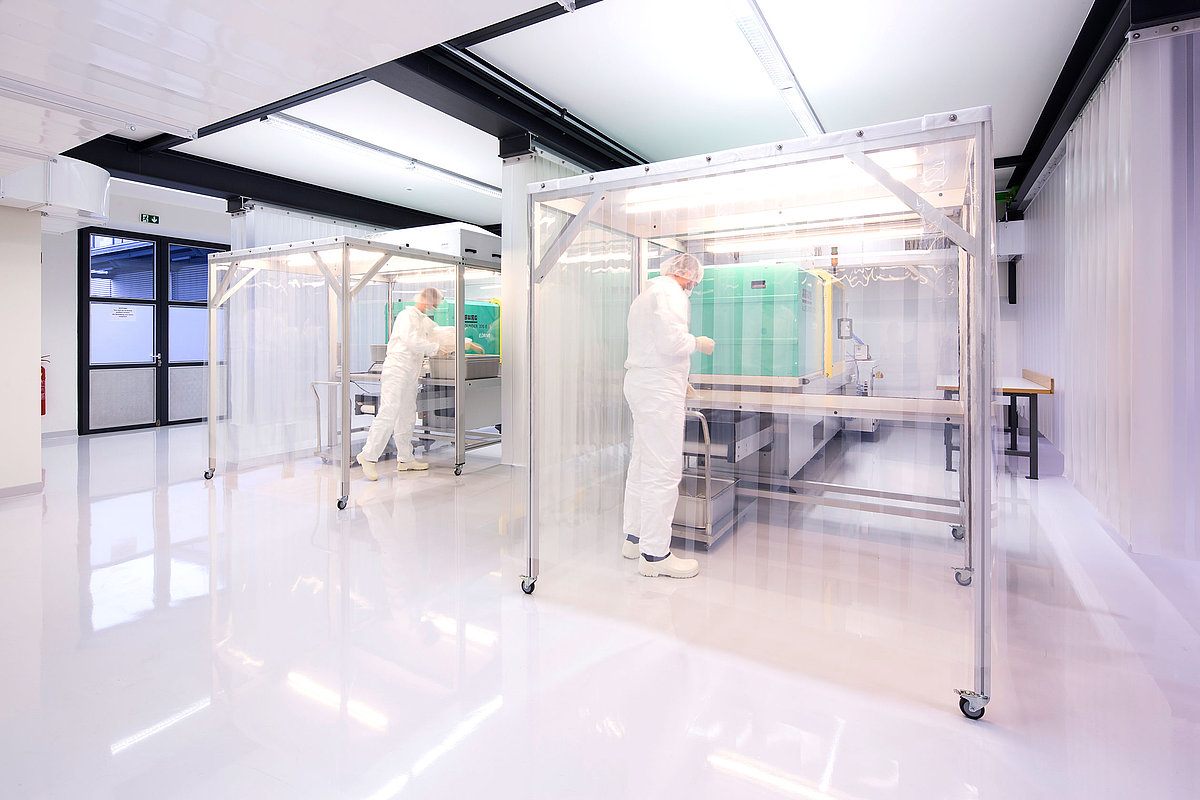
ISO 8 cleanrooms are controlled environments designed to maintain moderate levels of airborne particulate contamination, ensuring that products and processes are protected from potential contaminants. These cleanrooms are widely used in industries such as pharmaceuticals, biotechnology, medical device manufacturing, and electronics assembly. Unlike stricter cleanrooms, such as ISO Class 5 or ISO Class 7, ISO 8 cleanrooms are designed for processes that require less stringent contamination control but still demand regulated environmental conditions.
Maintaining compliance with ISO 8 standards requires adherence to specific design, operational, and monitoring protocols. These standards ensure that particle levels, airflow, temperature, humidity, and pressure are within acceptable limits to support safe and efficient operations. For detailed guidance on ISO 8 cleanroom classifications, operational protocols, and design criteria, resources such as the ISO 8 Clean Room Requirements provide comprehensive information for industry professionals and facility planners.
Particle Concentration and Air Quality Standards
The most fundamental requirement for an ISO 8 cleanroom is controlling particle concentrations in the air. According to ISO 14644-1 standards, an ISO 8 cleanroom permits a maximum of 3,520,000 particles per cubic meter for particles 0.5 micrometers or larger. Smaller particles, such as 0.1 micrometers, are also regulated to ensure that the environment remains within controlled limits. These particle concentration standards influence cleanroom design, filtration systems, airflow patterns, and operational procedures.
To maintain these particle limits, ISO 8 cleanrooms use high-efficiency particulate air (HEPA) filters, proper airflow distribution, and regular monitoring of airborne particle levels. The goal is to minimize the introduction and spread of contaminants while allowing processes to operate efficiently. Air exchange rates and airflow patterns are carefully calculated to maintain clean zones and prevent contamination from personnel or equipment.
Design and Construction Requirements
ISO 8 cleanrooms are constructed using materials that are non-shedding, smooth, and easy to clean. Walls, ceilings, and floors are typically made from epoxy-coated panels, vinyl, or other seamless surfaces that resist moisture, chemicals, and particle accumulation. Flooring is often coved at the edges to prevent dirt and debris from collecting in corners, while work surfaces and furniture are made from stainless steel, epoxy resin, or phenolic resin to ensure durability and cleanliness.
The layout of an ISO 8 cleanroom should support a logical workflow and minimize cross-contamination. Critical processing areas are separated from support zones, and personnel and material flow paths are clearly defined. This zoning helps reduce particle transfer from less controlled areas to critical areas, maintaining the integrity of the cleanroom environment.
Environmental Control Parameters
ISO 8 cleanrooms regulate temperature, humidity, and pressure to support stable operations. Temperature is maintained within a range that protects sensitive processes and equipment, while humidity control prevents condensation and static buildup, which can compromise product quality. Positive pressure is maintained relative to adjacent areas to prevent the ingress of contaminated air and maintain particle control.
Environmental monitoring systems continuously track temperature, humidity, and pressure, providing real-time alerts if conditions deviate from specified limits. These systems help ensure that the cleanroom environment remains within the established ISO standards and provides data for compliance reporting.
Personnel and Gowning Protocols
Personnel are a major source of contamination in any cleanroom. ISO 8 cleanrooms require specific gowning procedures to reduce particle shedding from clothing, hair, and skin. Personnel typically wear lab coats, gloves, masks, hair covers, and shoe covers made from non-shedding materials. Entry points often include gowning rooms and airlocks to maintain positive pressure and prevent contamination from external areas.
Operational protocols also include restrictions on movement, defined pathways, and proper material handling procedures. Personnel training is essential to ensure compliance with cleanroom rules and minimize the risk of contamination.
Cleaning and Maintenance Requirements
Regular cleaning and maintenance are essential to maintaining ISO 8 cleanroom standards. Cleaning schedules cover floors, walls, ceilings, work surfaces, and equipment, using approved low-lint materials and disinfectants. Maintenance of HEPA filters, HVAC systems, and monitoring equipment ensures that airflow, particle control, and environmental conditions remain within specified limits.
Routine inspections and validation procedures are also part of ISO 8 cleanroom requirements. These activities ensure ongoing compliance with ISO standards and help identify potential issues before they affect operations.
Certification and Compliance
ISO 8 cleanrooms require validation and certification to demonstrate compliance with ISO 14644-1 standards. This includes design qualification, installation qualification, operational qualification, and performance qualification. Third-party certification provides documented evidence that the cleanroom meets all environmental, particle control, and operational requirements. Periodic revalidation ensures continued compliance and helps maintain the reliability of processes conducted within the cleanroom.
Conclusion
ISO 8 cleanroom requirements encompass particle concentration limits, design and construction standards, environmental controls, personnel protocols, cleaning practices, and validation procedures. Adherence to these requirements ensures a controlled environment suitable for non-critical manufacturing and laboratory processes. By implementing effective design, operational, and monitoring strategies, organizations can maintain ISO 8 cleanroom standards, protect products, and comply with industry regulations while supporting safe and efficient operations.