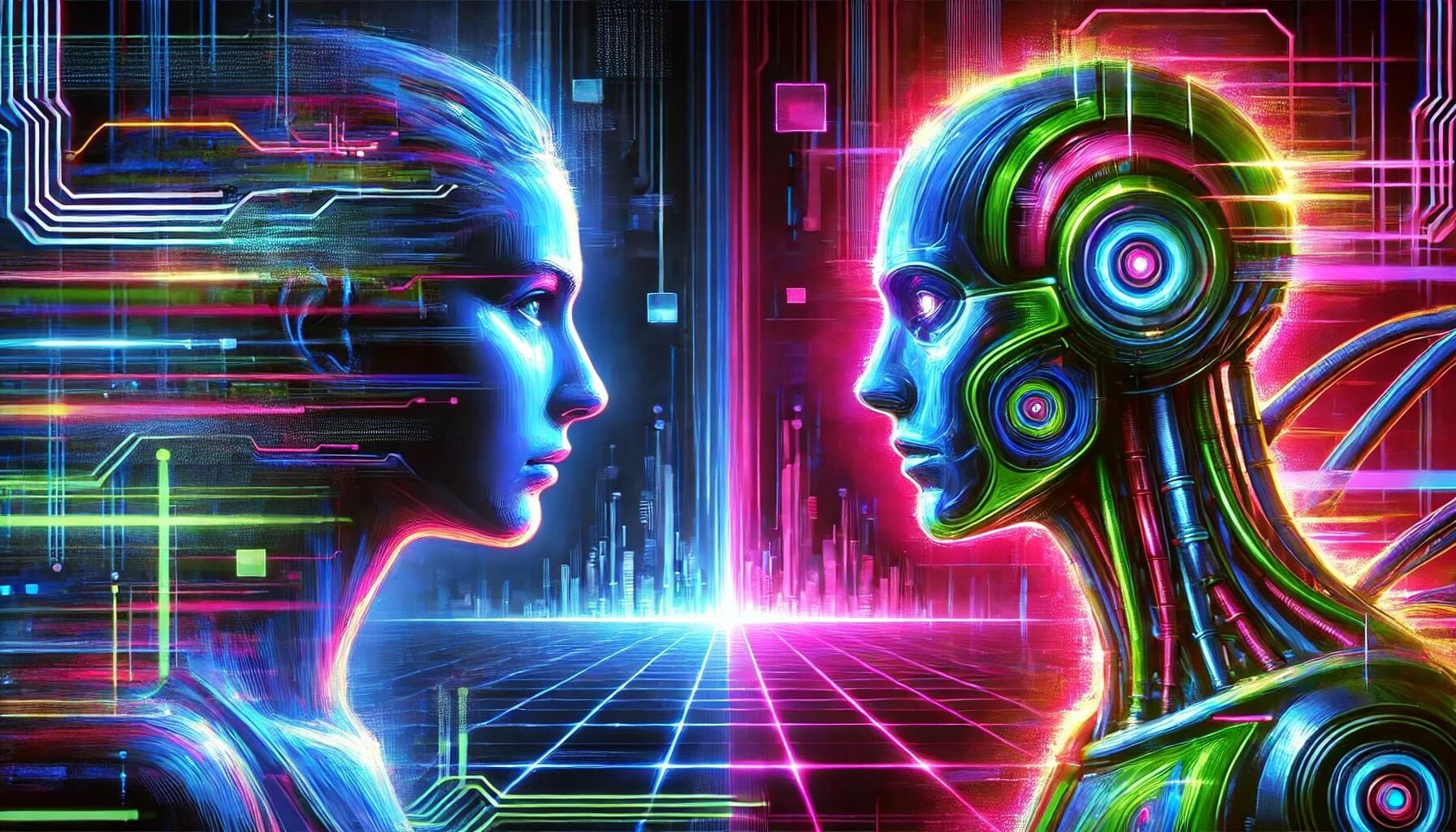
AI Image Generation Explained: How Machines Create Visual Content
The rise of artificial intelligence has transformed the way visual content is created, offering tools that allow individuals and organizations to produce high-quality images without traditional design skills. AI-powered image generation has become a critical component in marketing, media, education, and creative industries, providing efficiency, scalability, and innovation. Among the various approaches to this technology, AI Image generation platforms are leading the way in helping creators convert ideas, text prompts, or data into visually compelling content.
AI image generation relies on complex algorithms, including machine learning, neural networks, and deep learning techniques. These systems are trained on vast datasets containing millions of images, allowing them to recognize patterns, styles, textures, and color palettes. By learning these visual patterns, AI can generate entirely new images that maintain realism, artistic cohesion, or a specific stylistic intention.
Many businesses and creators are now exploring AI Image platforms to streamline their visual content workflows. By inputting descriptive text, concepts, or reference images, users can quickly generate visuals that would traditionally require hours of manual design work. These platforms not only reduce production time but also provide flexibility in experimentation, allowing creators to refine and iterate designs efficiently.
How AI Generates Images
The process of AI image generation typically starts with a text prompt or a set of input parameters. The AI interprets this information and uses its trained neural networks to predict what pixels, shapes, and colors should be included to match the input description. Advanced models, such as diffusion models and generative adversarial networks (GANs), refine these predictions iteratively to produce high-quality images that closely align with the intended style and content.
Diffusion models work by starting with random noise and gradually adjusting pixels until the output matches the input description. This iterative process allows for highly detailed and visually coherent images. GANs, on the other hand, use a dual-network system where one network generates images while the other evaluates their realism, creating a feedback loop that improves output quality over time.
AI image platforms often allow users to specify parameters such as resolution, color schemes, textures, and artistic styles. This level of control enables designers to produce images suitable for professional projects, including marketing campaigns, website design, digital art, or educational visuals. Users can also experiment with abstract or creative prompts, producing unique artwork that pushes the boundaries of traditional design.
Applications Across Industries
AI image generation has practical applications across multiple industries. In marketing, businesses use AI-generated visuals for social media campaigns, advertisements, and branding materials. By automating image creation, marketers can quickly adapt content to different audiences or platforms while maintaining consistency in visual style.
In media and entertainment, AI image tools support concept art, storyboarding, and visual effects. Filmmakers and game developers can experiment with character designs, environments, and props before committing to production, saving time and resources. AI-generated images also enable rapid prototyping, helping creative teams visualize ideas more efficiently.
Education and e-learning benefit from AI image generation as well. Teachers and instructional designers can produce illustrations, diagrams, or infographics that enhance comprehension and engagement. By transforming complex concepts into visual representations, AI image platforms help learners grasp ideas more effectively.
Advantages of AI Image Generation
One of the key advantages of AI-generated images is speed. Tasks that previously took hours or days, such as digital illustration or graphic design, can now be completed in minutes. This efficiency allows teams to produce larger volumes of content while maintaining quality.
Cost-effectiveness is another benefit. AI image tools reduce the need for professional designers for routine or repetitive tasks, making high-quality visuals accessible to smaller organizations, startups, or independent creators. Additionally, AI-generated images provide scalability, allowing content teams to quickly generate multiple variations of the same visual to test audience preferences or adapt to different platforms.
Creativity is also enhanced with AI. The technology encourages experimentation by allowing users to test unconventional prompts, artistic styles, or abstract concepts. This flexibility opens new avenues for artistic expression and visual storytelling, enabling creators to produce unique content that might not be achievable through traditional methods.
Ethical and Practical Considerations
Despite its advantages, AI image generation raises ethical and practical considerations. Intellectual property is a key concern, as AI models are trained on existing datasets that may include copyrighted material. Users must ensure that outputs comply with copyright laws and avoid infringing on original artwork or proprietary images.
Bias in training data is another issue. AI-generated images may unintentionally reflect cultural, gender, or racial biases present in the datasets. Creators should critically evaluate outputs and make adjustments as necessary to ensure fairness, inclusivity, and accuracy.
Transparency is equally important. When AI-generated images are used in marketing, education, or media, audiences should be informed that the content is AI-created. Clear labeling builds trust and prevents misunderstandings about the origin of visual content.
Conclusion
AI image generation has revolutionized how visual content is created, offering speed, scalability, and creative flexibility. By leveraging platforms like AI Image, organizations and creators can produce high-quality visuals efficiently across marketing, media, education, and entertainment. While the technology presents ethical and practical challenges, responsible usage—including attention to intellectual property, bias, and transparency—ensures that AI-generated content is both innovative and trustworthy. As AI continues to evolve, its impact on visual content creation is likely to expand, offering endless possibilities for designers, marketers, and storytellers alike.