When Jaw Pain Disrupts Life: Understanding TMJ Dysfunction and Expert Care
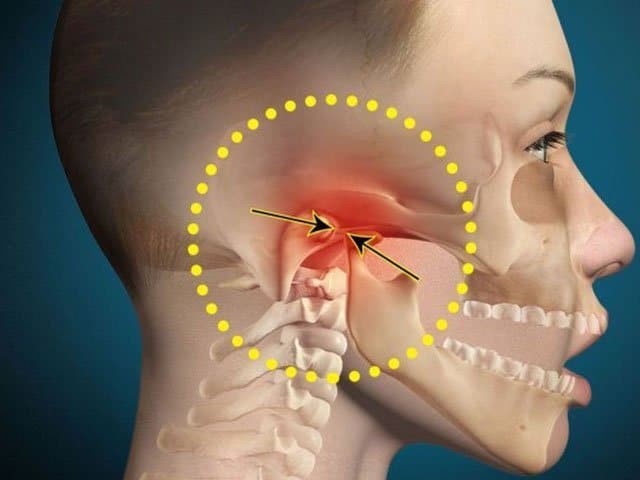
Jaw discomfort is often underestimated until it begins to interfere with everyday activities such as eating, speaking, or even sleeping. Clicking sounds, facial pain, headaches, and limited jaw movement can slowly develop into chronic issues if left untreated. These symptoms are commonly linked to temporomandibular joint (TMJ) dysfunction, a condition that affects the joint connecting the jawbone to the skull.
TMJ dysfunction is complex and varies from person to person. Understanding its causes, symptoms, and treatment options is essential for restoring comfort, jaw function, and overall quality of life.
What TMJ Dysfunction Really Means
Seeking help from a tmj dysfunction specialist is often necessary because TMJ disorders rarely have a single cause. The temporomandibular joints work in harmony with muscles, ligaments, and teeth to allow smooth jaw movement. When this balance is disturbed, pain and dysfunction can occur.
TMJ dysfunction may develop due to jaw misalignment, teeth grinding, muscle tension, arthritis, injury, or prolonged stress. In many cases, symptoms appear gradually, making it difficult for individuals to pinpoint the exact trigger.
Common Symptoms That Should Not Be Ignored
TMJ dysfunction presents itself in various ways, and symptoms may extend beyond the jaw area. Common signs include jaw pain or tenderness, clicking or popping sounds when opening or closing the mouth, facial soreness, ear pain, and frequent headaches.
Some individuals experience difficulty chewing, jaw locking, or a feeling that the bite is “off.” Neck and shoulder pain can also be associated with TMJ issues due to muscle strain and referred pain patterns. Ignoring these symptoms can allow the condition to worsen over time.
Why TMJ Pain Often Mimics Other Conditions
One of the challenges of TMJ dysfunction is that it often resembles other health problems. Jaw-related pain can feel similar to ear infections, sinus pressure, toothaches, or migraines. This overlap frequently leads to misdiagnosis or delayed treatment.
TMJ pain may also fluctuate, improving temporarily before returning with greater intensity. This pattern causes many people to delay professional evaluation, assuming the discomfort will resolve on its own.
The Role of Jaw Alignment and Bite Issues
Jaw alignment plays a crucial role in TMJ health. When the upper and lower teeth do not meet correctly, excess stress is placed on the jaw joints and surrounding muscles. Over time, this imbalance can lead to inflammation, muscle fatigue, and joint strain.
Bite issues may result from missing teeth, uneven dental work, orthodontic changes, or long-term grinding. Correcting these underlying problems is often key to achieving lasting relief from TMJ symptoms.
Stress, Muscle Tension, and TMJ Dysfunction
Emotional stress is a significant contributor to TMJ disorders. Stress often manifests physically through jaw clenching, teeth grinding, and muscle tension, particularly during sleep. These habits place continuous pressure on the jaw joints, leading to pain and restricted movement.
Muscle-related TMJ dysfunction may not show visible joint damage on imaging, making professional evaluation even more important. Addressing muscle tension and stress-related habits is a vital part of comprehensive treatment.
How TMJ Dysfunction Is Diagnosed
Accurate diagnosis requires a detailed assessment of jaw movement, bite alignment, muscle tenderness, and joint sounds. Imaging such as X-rays or scans may be used to evaluate joint structure and rule out other conditions.
A thorough diagnosis focuses not only on symptoms but also on contributing factors such as posture, dental alignment, lifestyle habits, and stress levels. This holistic approach helps identify the root cause rather than just managing surface-level pain.
Treatment Options for TMJ Dysfunction
TMJ treatment is highly individualised, as no two cases are exactly alike. Non-invasive approaches are often recommended first and may include custom oral appliances designed to reduce pressure on the jaw joints and prevent grinding.
Other treatment options include jaw exercises, muscle therapy, posture correction, stress management techniques, and dietary adjustments to minimise strain during chewing. Inflammation and pain can often be reduced through targeted therapy rather than medication alone.
In more complex cases, long-term management strategies are developed to maintain jaw stability and prevent symptom recurrence.
The Importance of Early Intervention
Early treatment can prevent TMJ dysfunction from becoming a chronic condition. When addressed promptly, many patients experience significant symptom relief without the need for invasive procedures.
Delaying care may allow joint damage, muscle imbalance, and pain patterns to become more entrenched, making treatment more complex. Early intervention focuses on restoring balance, reducing inflammation, and protecting the jaw from further stress.
Lifestyle Changes That Support TMJ Recovery
Managing TMJ dysfunction often requires small but meaningful lifestyle adjustments. Avoiding excessive chewing, hard foods, and gum can reduce jaw strain. Maintaining good posture, especially during screen use, helps minimise neck and jaw tension.
Stress reduction techniques such as mindfulness, stretching, and proper sleep routines also play an important role in recovery. These changes support long-term jaw health and improve overall well-being.
Living Comfortably With a Healthy Jaw
TMJ dysfunction can significantly impact daily comfort, emotional health, and quality of life. However, with proper evaluation and a personalised treatment plan, most individuals can achieve lasting relief and improved jaw function.
Understanding the condition and seeking appropriate care empowers individuals to take control of their symptoms rather than adapting to chronic pain. A healthy jaw supports not only comfortable movement but also confidence, focus, and better overall health.
Final Thoughts
TMJ dysfunction is a multifaceted condition that requires careful assessment and tailored treatment. Jaw pain, clicking, and muscle tension should never be dismissed as minor inconveniences, especially when they interfere with daily life.
By addressing the root causes and following a structured care approach, individuals can restore balance to the jaw and prevent future complications. Prioritising jaw health today can lead to a more comfortable, pain-free tomorrow.