Debentures vs Bonds: Key Differences Every Investor Should Know
An investor would often come across two debt instruments during the process of building his or her portfolio: bonds and debentures. The two instruments act as vehicles for companies to raise funds. Both of these instruments also generate interest income to the investor. However, they differ in terms of the structure, security, and risk. Understanding these differences will empower investors to take informed decisions and build sustainable portfolios.
Bond Meaning: A Simple Introduction
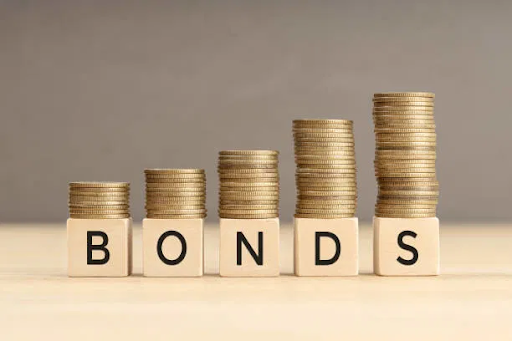
Bond meaning refers to a financial instrument that is issued by a corporation or government for the purpose of raising short-term capital. When an investor buys a bond, he is, in effect, lending his money to the issuer. The issuer pays interest in six-month periods and reimburses the principal at the end of that period (maturity). Bonds mostly have certain defined terms:
- Interest rate
- Maturity date
- Repayment structure
- Degree of protection
These are fixed traits, which is why bonds are preferred by many investors for earning predictable income and reducing overall risk of their portfolio.
What Is a Debenture?
Debentures are yet another mode of raising funds, most of which may or may not be secured against specific assets. A few debentures may be secured, while most are known as unsecured. Repayment of unsecured debentures depends largely upon the financial strength and credit quality of the issuer. Debentures may have the following characteristics:
- Fixed or floating interest
- Secured or unsecured
- Convertible or non-convertible
This gives companies great flexibility to tailor their borrowing plans.
Structural Differences and Security
One of the main differences between debentures vs bonds is the level of security offered.
- Bonds – The bond is mostly secured and may be secured either against some physical assets or against the revenue streams. This gives a stronger claim to bondholders in the event of any financial stress on the part of the issuer.
- Debentures – Should the debentures be further sub-classified, secured and unsecured will be the underlying distinction. With regard to unsecured debentures, they rely very highly on the creditworthiness of the issuer. Secured debentures may have some asset backing, but the extent of such backing varies.
This is a major difference and should be scrutinized carefully before making a choice.
Interest and Payment Features
Both bonds and debentures earn interest income for the holder; however, methods of interest calculation could vary.
- Bonds – Bonds usually offer fixed interest rates; interest is paid back at different regular time intervals, which creates an expected income flow.
- Debentures – Debentures can have either fixed or floating rate of interest. Floating interest is subject to continuous change based on market conditions. Some debentures also include a convertible clause that allows customers to convert the instrument into shares.
Tenure and Flexibility
Tenures of bonds and debentures may differ, depending on issuers’ needs.
- Bonds – Bonds usually entail a much longer schedule for repayment. They usually support projects of infrastructure, manufacturing, and public projects with defined lifecycles.
- Debentures – Debentures give flexibility. Depending on their funding requirements, companies can issue them for short, medium, or long-term periods. It can adopt different structures depending on their cash-flow requirements.
This flexibility is very useful for corporate financing.
Claims During Financial Problems
Another major difference between debentures vs bonds lies in their claims during liquidation or financial distress.
- Bondholders – Bondholders usually have higher priority; since bondholders are usually secured, they can recover their value from the pledged assets.
- Debenture Holders – They may have a claim on the asset in the case of secured debentures; otherwise, their claim shall depend mainly on the financial health of the issuer. In terms of repayment, these are ranked low compared to the claims of secured creditors.
Understanding these claims will better help investors assess repayment risks.
How Investors Use Bonds and Debentures
Investors base their choice of bonds and debentures on their ambitions. Bonds may be chosen when they seek stability and secure funds with defined terms. Debentures are better suited when they seek flexibility with respect to the payment conditions, conversion feature, and corporate debt exposure across diverse tenures.
Usually, a combination of both instruments is made within the investors’ portfolio to balance income, risk, and liquidity.
Common Mistakes Investors Should Avoid
Investors sometimes fail to understand the differences between these instruments. Some of the common mistakes are:
- Ignoring the security structure
- Not paying attention to the credit rating of the issuer
- Confusing the bond meaning with the features of a debenture
- Considering only the interest and ignoring repayment priority
- Not checking the conversion and collateral terms
Conclusion
Understanding debentures vs bonds sets the investor on a road toward the right debt instrument considering their particular financial goal. Bond meaning is a synonym for a stable providing set terms and security. Debentures provide flexibility regarding structures and different interest formats. With the clarity achieved from security, interest, tenure, and claims, when analyzed, the investor is well placed to make proper decisions toward building a diversified portfolio.