Material Compatibility with Detergent Pod Making Machines
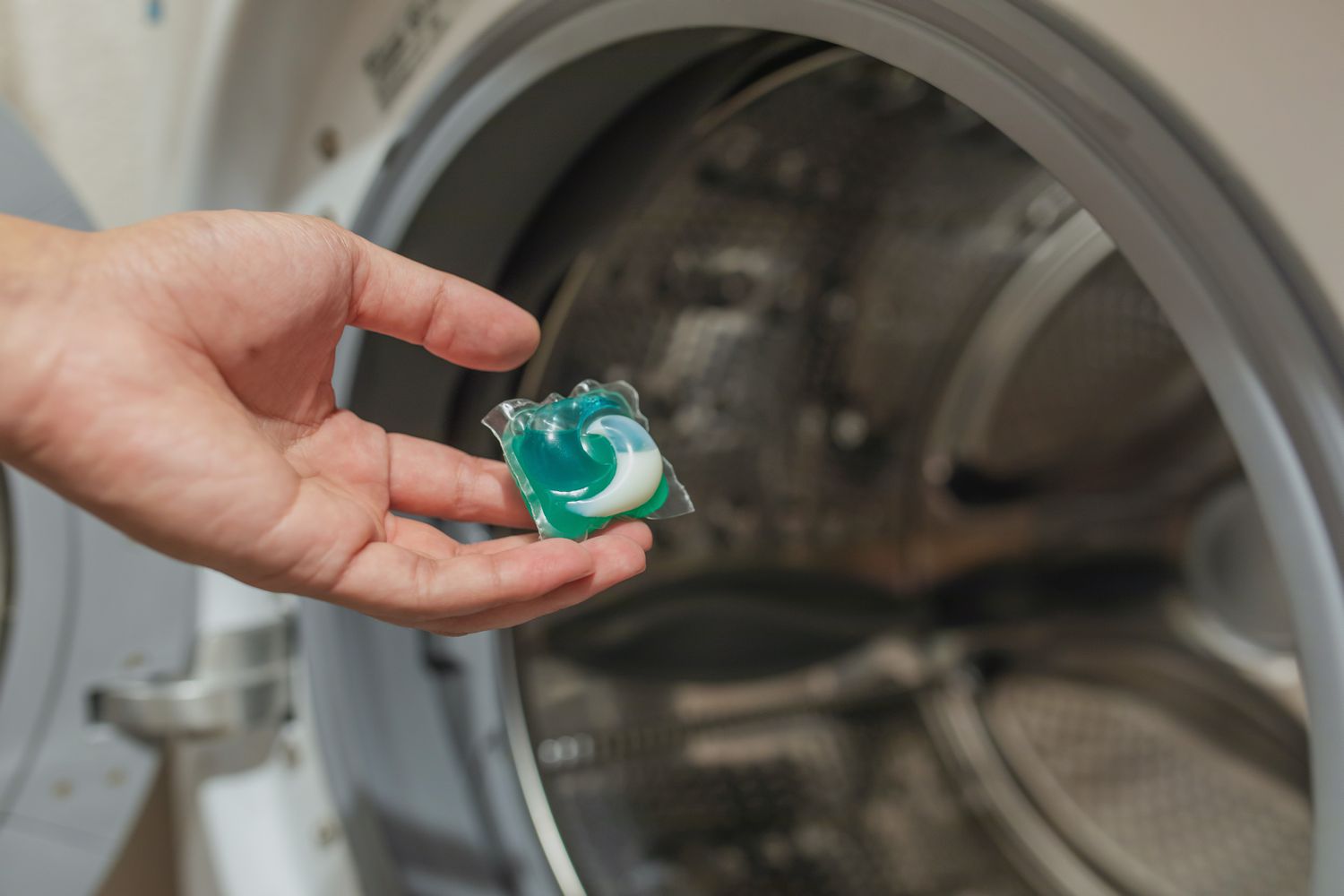
Detergent pod production requires precise handling of various materials, including detergents, water-soluble films, and additives. Ensuring material compatibility with detergent pod making machines is essential for consistent pod quality, operational efficiency, and equipment longevity. Incompatible materials can lead to equipment damage, defective pods, increased waste, and production downtime. Manufacturers must understand the interaction between materials and machinery to optimize the production process and maintain high standards in product quality.
Importance of Material Compatibility
Material compatibility is a critical factor in detergent pod production. Detergent formulations, whether liquid, gel, or powder, have unique chemical and physical properties that can affect how they interact with machine components and water-soluble films.
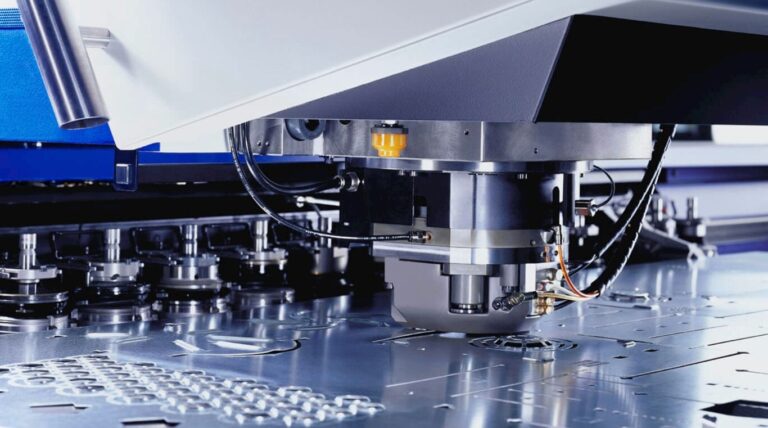
A high-quality Detergent Pod Making Machine is designed to handle specific materials while ensuring accurate dosing, proper sealing, and consistent pod formation. Selecting materials that align with the machine’s capabilities reduces the risk of corrosion, clogging, or chemical reactions that could compromise pod integrity. Proper material selection also ensures smooth operation, minimizes downtime, and enhances overall production efficiency.
Water-Soluble Film Compatibility
Water-soluble films are the primary packaging material for detergent pods. These films must dissolve completely during the wash cycle while remaining stable during storage and handling. Not all films are compatible with every detergent formulation or machine type.
Factors such as film thickness, tensile strength, and chemical resistance determine how well the film performs in the production process. Films that are too thin or chemically incompatible with the detergent can tear, wrinkle, or fail to seal properly. Detergent pod making machines often include tension control systems, alignment sensors, and automated feeding mechanisms to handle films with precision. However, choosing the right film material is the first step in ensuring defect-free pod production.
Detergent Formulation Considerations
Detergent formulations vary widely in viscosity, pH, and chemical composition, affecting how they interact with machine components and films. Liquid detergents are typically easier to dose but may require specific pumps and sealing temperatures to prevent leakage. Gel detergents are thicker and may need specialized pumps or auger systems to ensure accurate dosing. Powder detergents require precise volumetric fillers and measures to prevent clumping or inconsistent filling.
Machines designed for multi-chamber pods can handle different formulations in separate compartments, but compatibility must still be verified. For example, a detergent with high alkalinity may react with certain metals or components within the machine, leading to corrosion or premature wear. Ensuring chemical compatibility prevents damage to the equipment and maintains consistent product quality.
Additives and Enhancements
Additives such as fragrances, enzymes, colorants, and fabric softeners can affect material compatibility. Some additives may alter the viscosity of a liquid detergent or interact with the water-soluble film, causing seal failures or uneven pod formation.
Detergent pod making machines often feature separate dosing systems for additives, allowing precise integration without compromising pod quality. Proper testing of additive compatibility with both the detergent formulation and the film is essential to avoid production issues.
Machine Component Compatibility
Beyond the materials used in the pods themselves, manufacturers must consider the compatibility of machine components with the materials being processed. Stainless steel is commonly used for components in contact with detergents because of its resistance to corrosion and chemical reactions. Other materials such as high-quality polymers may be used for seals, pumps, and moving parts to prevent wear or degradation.
Regular inspection and maintenance help identify early signs of material incompatibility, such as corrosion, residue buildup, or mechanical wear. Selecting components compatible with your detergent formulations extends machine lifespan and reduces the likelihood of costly downtime.
Testing and Quality Assurance
Before full-scale production, manufacturers should conduct compatibility testing for all materials used in the pods. This includes assessing how the detergent interacts with the film, additives, and machine components. Pilot runs allow operators to observe pod formation, sealing quality, and overall machine performance.
Ongoing quality assurance practices, such as monitoring pod weight, seal integrity, and dissolution performance, help ensure that material compatibility is maintained throughout production. Detecting issues early prevents defective pods, material waste, and machine damage.
Conclusion
Material compatibility is a critical factor in detergent pod production, affecting pod quality, machine performance, and operational efficiency. Selecting water-soluble films, detergent formulations, additives, and machine components that are compatible with one another ensures consistent pod formation, reduces waste, and minimizes maintenance requirements.
Investing in a reliable Detergent Pod Making Machine designed for the materials you plan to use allows manufacturers to optimize production, maintain product quality, and extend equipment lifespan. By understanding and addressing material compatibility, businesses can achieve efficient, high-quality detergent pod production while minimizing operational risks.