Top Benefits of Acoustic Room Treatment for Diesel Generators
For small businesses, large enterprises, and industrial facilities, uninterrupted power is without a doubt very important. Diesel generator sets (DG sets) have long been the backbone of backup power for offices, factories, hospitals, and commercial establishments.
While they are reliable and powerful, traditional diesel generators come with one major drawback: noise. Loud, constant sound that wakes up an entire neighbourhood, disrupts work, and even violates local noise regulations.
This is where acoustic room treatments come into the picture. It has emerged as one of the most effective ways to reduce generator noise while maintaining strong performance. Let’s explore what it means and why it matters.
The noise challenge with diesel generators
Diesel generators are designed to handle heavy loads and long operating hours. However, this robust performance often comes with high-decibel noise that can travel far beyond the generator room. In commercial areas, residential zones, hospitals, schools, and hotels, this kind of noise can quickly become a serious issue.
Over time, excessive noise doesn’t just disturb employees or neighbours; it affects productivity, affects health, and creates compliance challenges for businesses operating in urban or noise-sensitive spaces.
Understanding acoustic room treatment
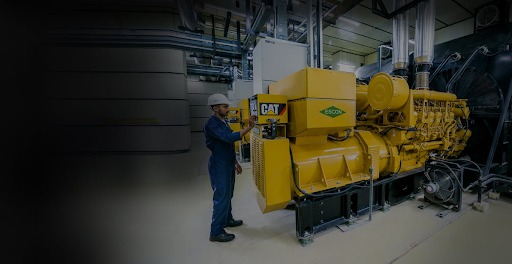
Acoustic room treatment refers to a specially made sound-control solution applied within a generator room or enclosure. These treatments absorb and block sound waves produced by the diesel engine, alternator, and exhaust system.
Instead of allowing noise to bounce off walls and escape into surrounding areas, acoustic treatments reduce reverberation and transmission. The result is a much quieter generator without compromising the generator’s performance.
Key benefit 1: Significant noise reduction
The most obvious and valuable benefit of acoustic room treatment is reduced noise levels. By using sound-absorbing materials and engineered layouts, generator noise is brought down to levels suitable for offices, hospitals, and residential areas.
This makes diesel generators far more acceptable in locations where silence or low noise is critical, such as schools, colleges, hotels, and healthcare facilities.
Key benefit 2: Improved workplace comfort and productivity
Noise has a direct impact on concentration and comfort. In offices or industrial facilities, constant generator noise distracts employees and creates an uncomfortable work environment.
With proper acoustic treatment, generators run quietly in the background. This supports better focus, smoother communication, and higher overall productivity, especially during long power outages.
Key benefit 3: Enhanced safety and compliance
Many cities and industrial zones have strict noise regulations. Operating a loud generator without adequate sound control leads to complaints and even penalties.
Acoustic room treatment helps businesses meet noise compliance standards more easily. At the same time, reduced noise contributes to a safer environment, lowering stress and fatigue for people working nearby.
Key benefit 4: Supports silent diesel generator performance
Silent diesel generators are designed with soundproof enclosures that absorb much of the engine noise. However, noise can still escape through walls, ventilation points, or poorly treated rooms.
Combining a silent generator with acoustic room treatment creates a layered approach to noise control. The acoustic enclosures reduce sound at the source, while the treated room prevents remaining noise from spreading further.
Key benefit 5: Durability and long-term reliability
Acoustic room treatments are not just about sound; they also protect the generator environment. Properly designed systems help shield the equipment from dust, moisture, and harsh conditions.
This environment supports smoother operation, reduces wear and tear, and contributes to longer generator life with minimal maintenance needs.
Key benefit 6: Versatility across generator sizes
One of the major strengths of acoustic room treatment is its flexibility. These solutions can be custom-built for a wide range of generator capacities, from smaller setups to large industrial units.
Whether it’s a compact generator for a commercial building or a high-capacity DG set powering a factory, acoustic treatments can be tailored to match the space, load, and noise requirements.
Key benefit 7: Ideal for noise-sensitive applications
Industries operating in urban spaces or residential areas benefit greatly from acoustic solutions. Hospitals need quiet for the comfort of the patient, hotels need uninterrupted power without disturbing guests, and offices require silent operation to maintain a professional atmosphere.
Acoustic room treatment makes diesel generators suitable for all these environments, enabling “silent backup power” where it matters most.
How acoustic solutions align with modern generator use
With the growing preference for silent diesel generators, noise control has become a part of smart infrastructure planning. Acoustic room treatments complement modern DG sets by addressing both performance and environmental concerns.
At ESCON Genset, acoustic enclosures and room treatments are engineered to support generators ranging from small to large voltages, while meeting quality and safety standards.
A quieter, smarter way to power operations
Diesel generators will continue to play a critical role in backup power for businesses and industries. However, how they operate matters just as much as what they power.
By investing in proper acoustic room treatment, commercial spaces and residential areas alike can enjoy reliable power without excessive noise, improve workplace comfort, and meet regulatory expectations with ease.